
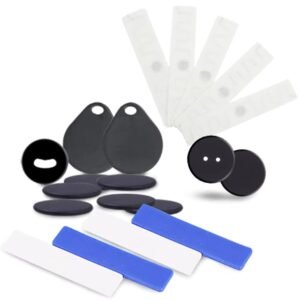
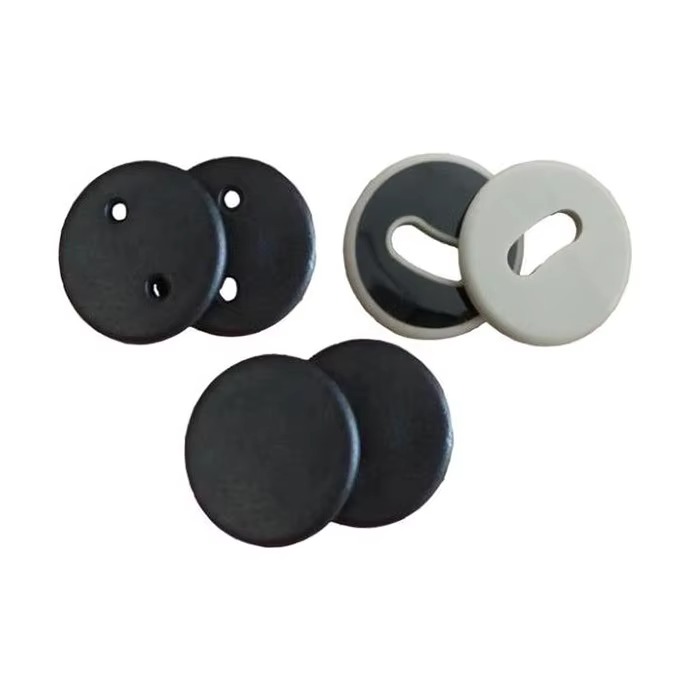
Transforming Textile Management with NFC Laundry Tags
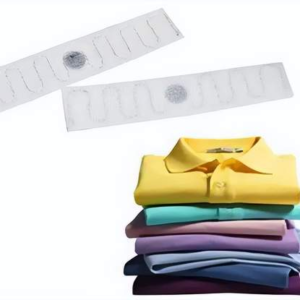
NFC Laundry Tags are designed for seamless integration into garments.
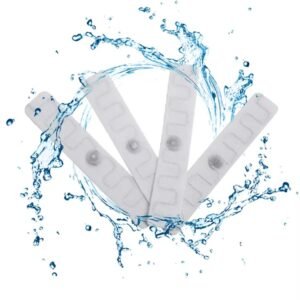
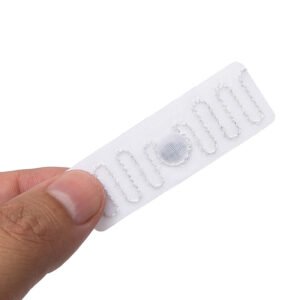
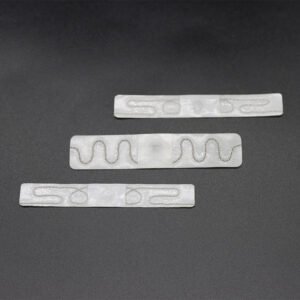
Efficient management of textiles in industries such as hospitality, healthcare, and commercial laundry requires precise tracking, durability, and automation. Heat-sealed textile RFID laundry tags—also known as iron-on RFID fabric tags or hot-melt adhesive RFID labels—offer a practical solution for real-time garment tracking, inventory control, and operational efficiency.
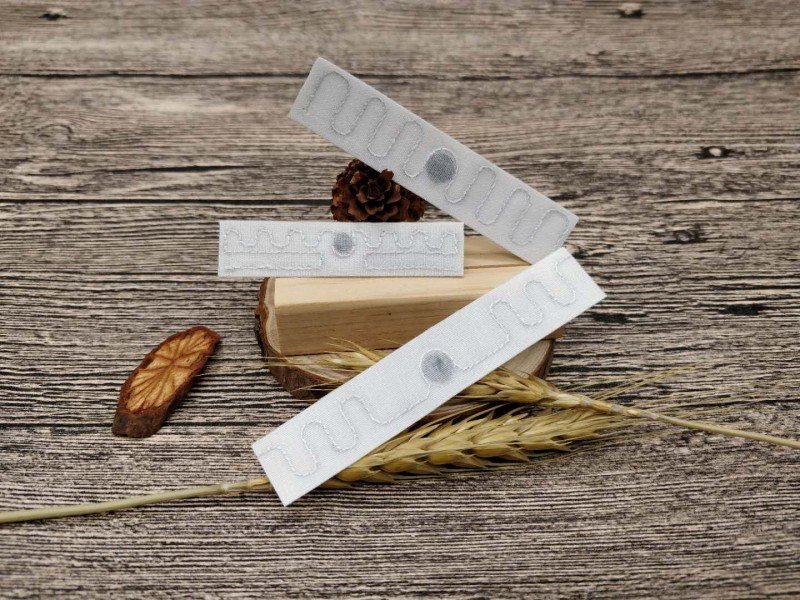
These RFID tags are engineered to withstand repeated washing, drying, and ironing cycles while maintaining readability, making them ideal for textile supply chains, hotel linen management, and industrial laundry services.
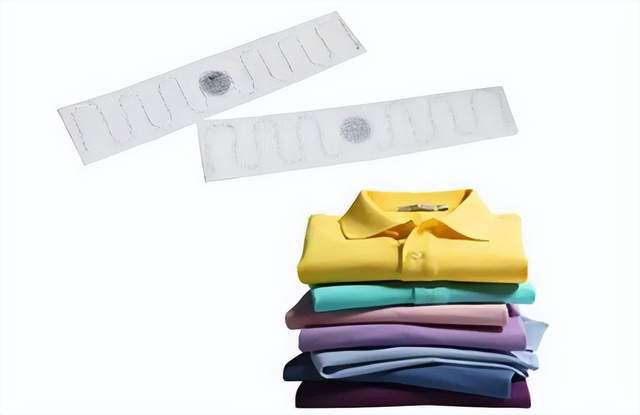
Constructed from 50% high-quality cotton and 50% polyester, these RFID tags combine flexibility with resilience to mechanical wear, ensuring long-term performance across multiple laundry cycles.
Heat-sealed RFID tags can withstand temperatures from -40°C to 120°C and endure ironing at up to 180°C. This makes them suitable for industrial laundering where extreme heat is common.
Certified to last over 200 wash cycles or at least 3 years, these tags provide a reliable solution for consistent textile traceability across multiple operational cycles.
Able to resist pressures up to 56 bar and withstand common laundry detergents, these tags maintain functionality in demanding industrial conditions.
Fully compatible with EPC Class1 Gen2 and ISO18000-6C protocols, the tags integrate seamlessly with UHF RFID readers worldwide, enabling flexible system deployment.
Heat-sealed RFID laundry tags enable accurate monitoring of textiles across the supply chain. Operators can quickly audit inventory, reduce misplacement, and optimize usage patterns.
RFID tags minimize manual errors in linen tracking, extending usable life and ensuring consistent availability of sheets, towels, and uniforms.
By integrating these RFID tags into production and laundry processes, organizations gain complete visibility from manufacturing to end-use, improving service quality and operational efficiency.
| Feature | Description |
|---|---|
| Material | 50% Polyester + 50% Cotton |
| Sizes | 70x15x1mm, 75x15x1mm, 58x15x1mm |
| Chip | NXP UCODE 9 |
| Operating Temp | -40°C to +120°C |
| Ironing Resistance | 180°C for 15 sec, 200 cycles |
| Drying Resistance | Up to 150°C, 200 cycles |
| Washable Lifespan | 200 cycles / 3 years |
| Weight | ~0.90g |
| Color | White |
| Frequency | 865–928 MHz |
| Storage Duration | 10 years |
Tagging – Each textile item receives a heat-sealed RFID label.
Registration – The unique ID is linked to a database containing type, size, owner, or other relevant information.
Scanning – UHF RFID readers detect tags during washing, drying, sorting, and distribution without line-of-sight.
Inventory Updates – Real-time system updates reduce discrepancies and enable accurate reporting.
Analytics – Usage patterns and lifecycle data support better purchasing decisions and process optimization.
Q1: How do heat-sealed RFID tags withstand high temperatures?
A: Specially designed hot-melt adhesive and rigorous testing allow ironing at 180°C for 15 seconds, up to 200 times.
Q2: How many wash cycles can these RFID tags survive?
A: Over 200 industrial laundering cycles or a minimum of 3 years of typical use.
Q3: What types of textiles are suitable?
A: Compatible with cotton, polyester, linen, and blended fabrics, these tags can be discreetly attached without affecting comfort.
Q4: What equipment is needed to read these RFID tags?
A: A UHF RFID reader supporting EPC Class1 Gen2 protocol enables fast and accurate data collection.
Q5: Are the tags waterproof and chemical resistant?
A: Yes, they resist detergents, water, and dust while maintaining performance.
Q6: Is installation complex?
A: No. Heat-sealed RFID tags attach efficiently using thermal bonding machines, enabling fast integration into garments.
Operational Efficiency: Automates inventory tracking and reduces manual errors.
Cost Optimization: Extends textile lifespan and reduces replacement costs.
Data-Driven Decisions: Real-time data supports supply chain and laundry optimization.
Security and Accountability: Minimizes loss, misplacement, and theft.
你希望我直接做吗?
Newest trends and common knowledge in RFID laundry tags.
NFC Laundry Tags are designed for seamless integration into garments.
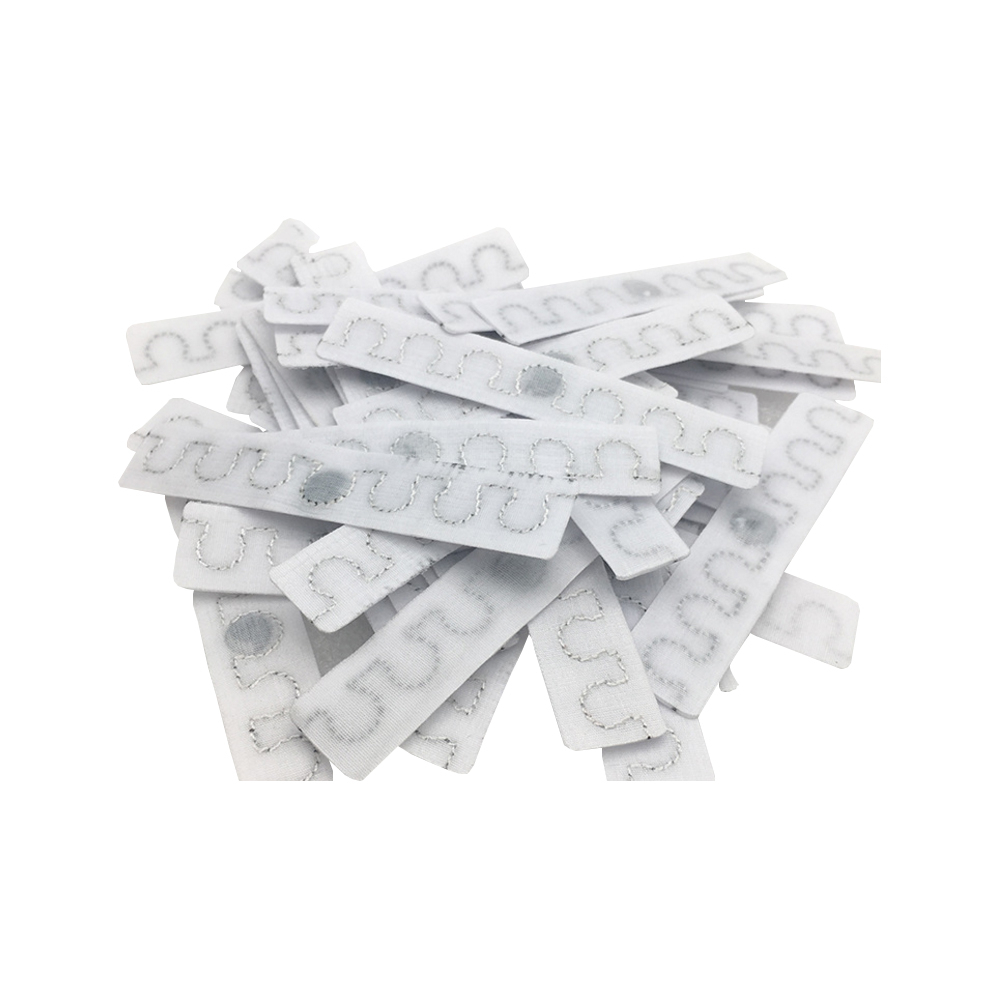
RFID chips in uniforms and linens enhance tracking, reduce loss, and optimize laundry management for more efficient operations and inventory control.
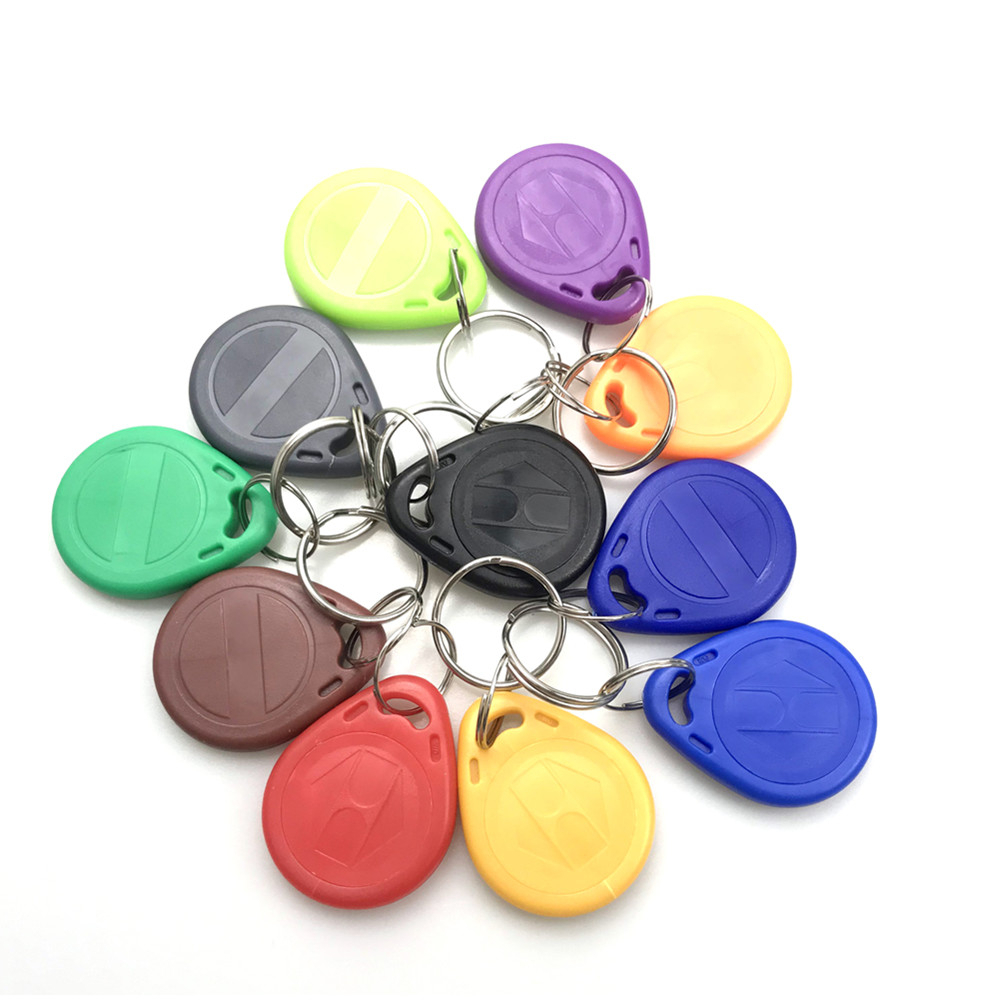
TK4100 key fobs use 125 KHz RFID technology for reliable, battery-free access control. With a durable waterproof ABS casing and unique 64-bit ID, they’re perfect for high-traffic applications.
Didn’t find what you want? Ask our manager for help!