

What is the production process of RFID tags
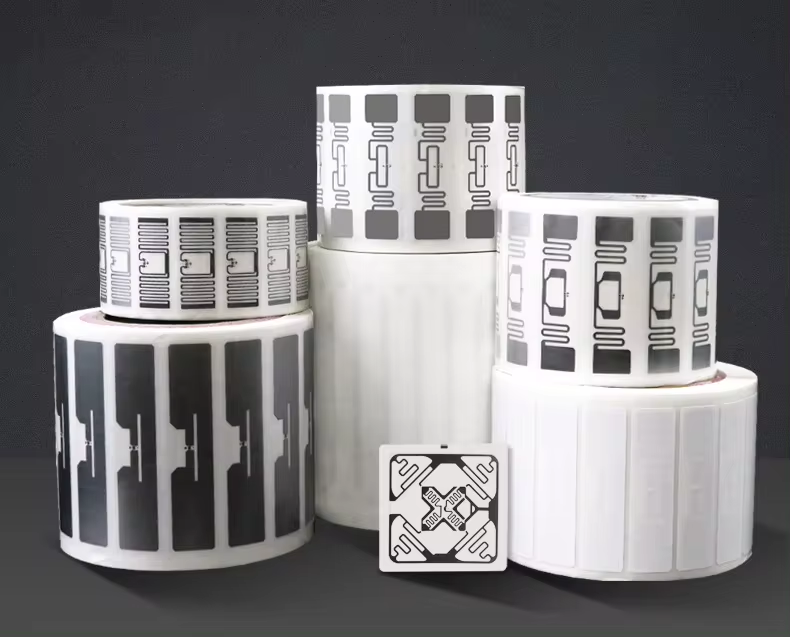
The creation of RFID tags involves a precise and efficient process, ensuring each RFID tag functions flawlessly. Here’s a breakdown of the key stages:
The adoption of UHF RFID laundry tags is increasingly common across various industries, including healthcare, hospitality, and industrial laundry services, enabling uniform rental operations to effectively manage costs. This technology is revolutionizing uniform management, particularly within healthcare facilities, where hospitals in Europe are implementing smart cabinets and room-based solutions to oversee scrubs and workwear. There is a noticeable trend shifting from high-maintenance conveyor systems to automated RFID solutions that enhance efficiency and accuracy.
In a nursing home in Venne, Niedersachsen, Germany, Ulrike Caselato relies on well-managed cleaning processes. While she favors smaller local laundries over larger, well-known providers, maintaining laundry inventory presents ongoing challenges. Employee turnover is typical in this sector, leading to occasional loss of workwear as uniforms sometimes leave with departing staff. Additionally, some employees wash their uniforms at home, compromising hygiene and accountability. Consequently, more work clothes than necessary must be purchased, resulting in excessive costs.
Industrial laundries specializing in uniform maintenance and rental for diverse sectors—such as medical, hospitality, manufacturing, and emergency services—employ advanced washing programs tailored to each client’s needs. Ensuring the longevity and integrity of workwear is critical, especially for personal protective clothing that adheres to safety regulations.

1. Streamlined Laundry Workflow and Inventory Control
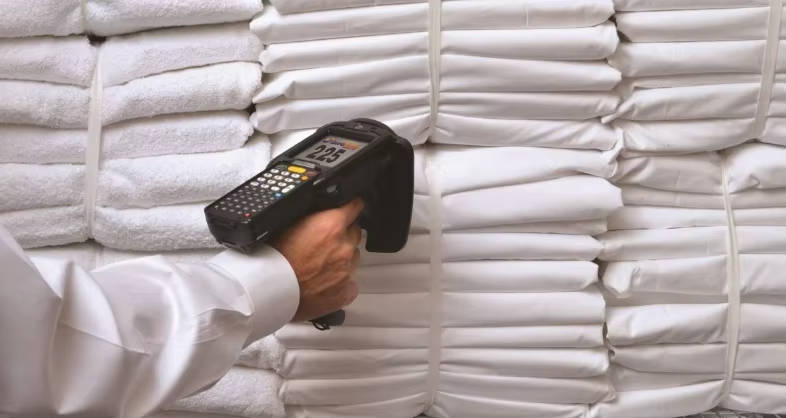
RFID technology simplifies the tracking of dirty laundry collection and clean uniform delivery, boosting transparency for both customers and laundries. Real-time data enhances visibility into circulating and non-circulating wash activities. When soiled uniforms arrive at the laundry, fixed RFID portals or handheld readers scan them, recording each garment in a centralized database. Clean items are similarly scanned upon delivery, allowing for swift and precise inventory management without manual sorting. This automation accelerates processing times and improves overall efficiency.
2. Enhanced Visibility on Cost Savings
Lost uniforms can lead to significant financial losses for laundries. RFID tracking provides insights into garment histories, facilitating the recovery of misplaced items from lockers, stockrooms, and other locations, thereby mitigating costs associated with lost inventory.
3. Understanding Uniform Lifecycles
Data collected from RFID systems enables organizations to recognize wear patterns and anticipate replacement needs. Analyzing the lifespan of various garment types informs decisions on cost reduction, enhancing capital efficiency and return on investment (ROI).
4. Ensuring Correct Garment Care
The RFID system provides location data and care instructions tailored to each garment. For example, if a wash station reader detects a dry-clean-only item, the system flags it for improper handling, ensuring appropriate washing and drying methods are used. This diligence extends garment life while reducing waste.
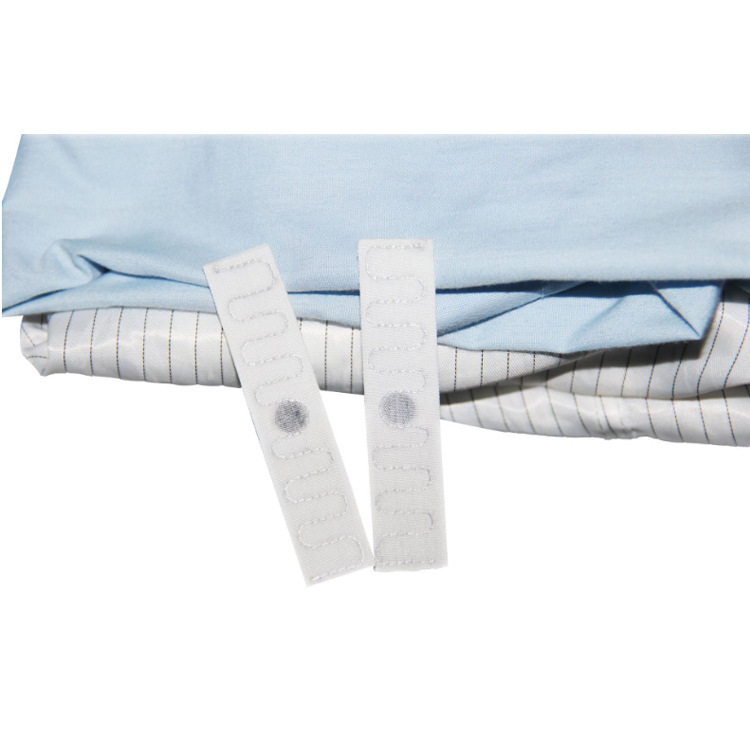
At Caselato’s nursing home, each staff member’s uniform is equipped with a UHF RFID laundry tag, integrated with a smart clothing distribution and return cabinet. Employees must register with their contactless ID card to access the cabinet, accurately logging which items have been removed. The recycling station is also outfitted with a UHF reader that monitors usage and cleaning cycles, providing insights into which team member last wore an item, identifying potential hoarding or theft, and ensuring that departing employees return all uniforms. This continuous real-time inventory system reveals vital information regarding uniform usage patterns, improving management efficiency.
A recent article from The Caterer, a UK hospitality publication, highlights how companies like Elis have adopted RFID technology to manage over 375,000 items, including table linens and chef uniforms, across more than 800 locations. By leveraging RFID, Elis enhances visibility into inventory usage and location, drastically improving inventory management.
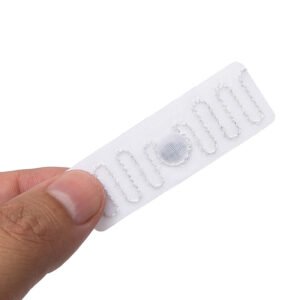
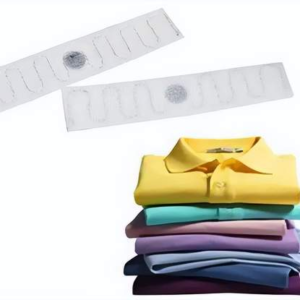
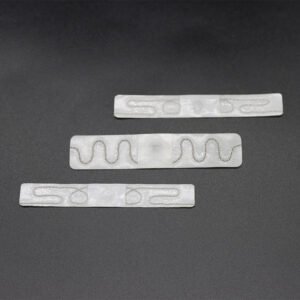
Our UHF UCODE® 9 Textile RFID Laundry Tag is designed for durability and performance, making it an outstanding solution for a wide range of applications, including hospital and hotel linen management, SPAs, retirement homes, sports clubs, and cleaning stores.
The RFID laundry tag offers a soft, thin, and flexible build that performs reliably, even under the rigors of industrial laundry processes. The tags have been rigorously tested to endure 200 to 300 cycles, ensuring a long lifespan for textile assets. Built to withstand varying conditions, the tag is SGS certified for heating and bending tests, making it an ideal choice for managing linen in high-demand environments.
If you are interested in optimizing your uniform rental management with RFID technology and wish to learn more about our UHF UCODE® 9 Textile RFID Laundry Tag, please reach out for additional information!
Newest trends and common knowledge in RFID laundry tags.
The creation of RFID tags involves a precise and efficient process, ensuring each RFID tag functions flawlessly. Here’s a breakdown of the key stages:
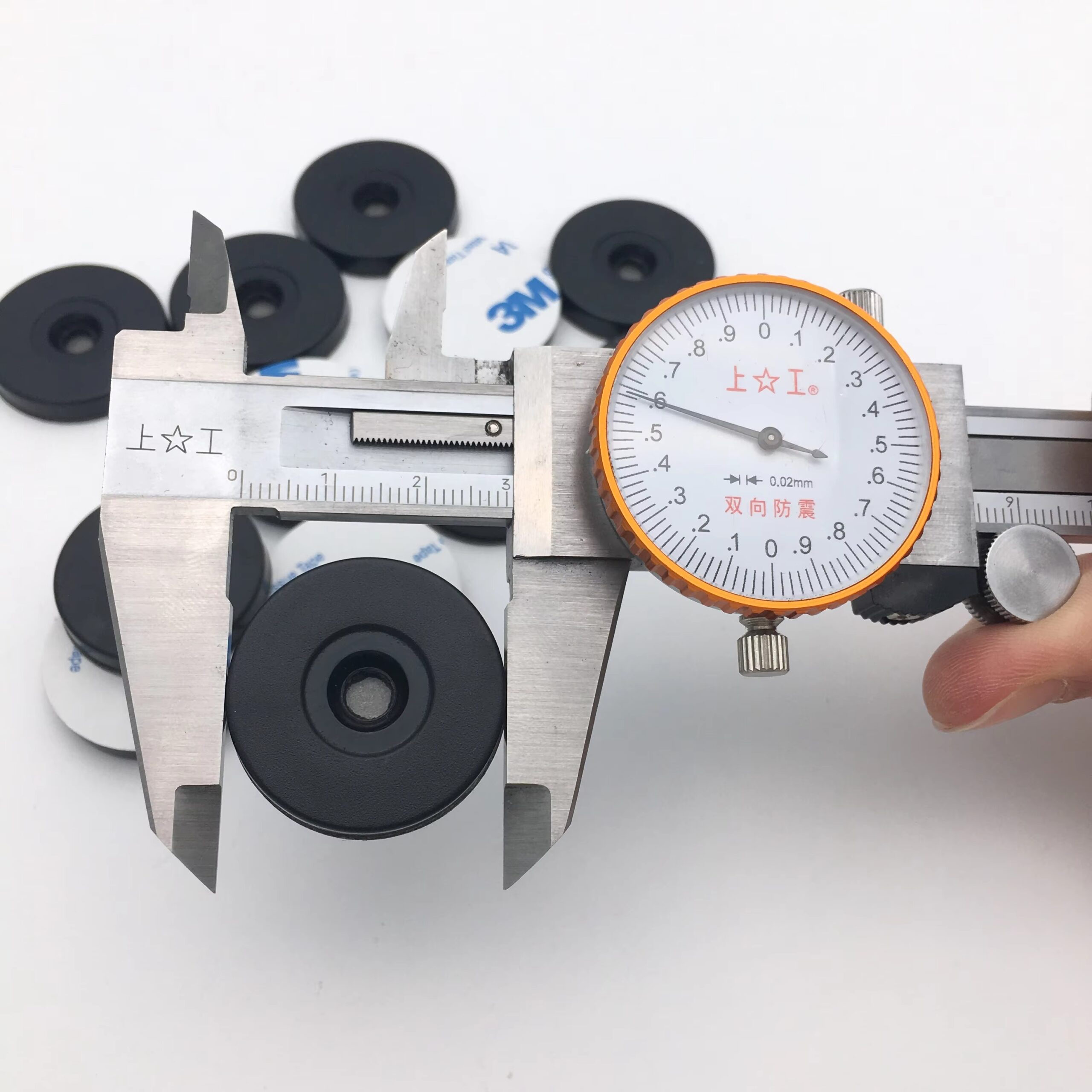
The NFC Patrol Tag is a small yet powerful tool, designed for industrial and outdoor environments where durability and reliability are paramount. This guide provides a comprehensive overview of the product, highlighting its features, applications, and key benefits.
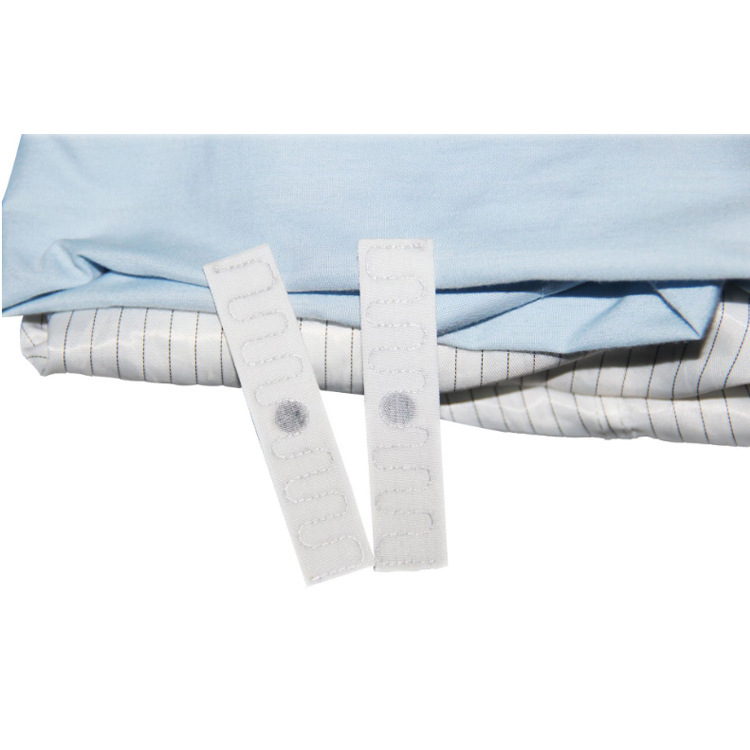
Embracing RFID laundry tags can revolutionize the way you manage linen in your laundry facility, whether it’s large-scale or smaller in size.
Didn’t find what you want? Ask our manager for help!