


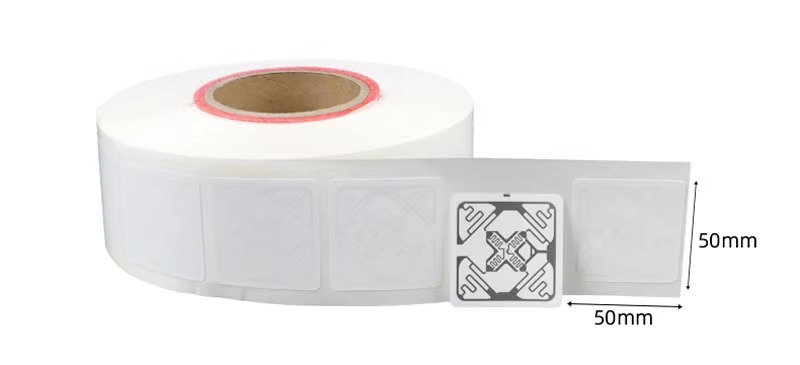
The Advantages of RFID Tag in Inventory Counting
RFID tag revolutionizes inventory management by enabling rapid, accurate item identification, real-time data updates, and reduced manual intervention.
What is UHF RFID Tag?
UHF RFID Tag (Ultra High Frequency Radio Frequency Identification) uses radio waves to identify and track objects automatically. Operating in the 860 to 960 MHz range, it offers a longer read range compared to other RFID types.
How Does UHF RFID Tag Work?
UHF RFID tag employs electromagnetic fields to transfer data between a tag and a reader. The reader’s signal powers the tag, which then sends back its stored data, enabling efficient tracking over significant distances.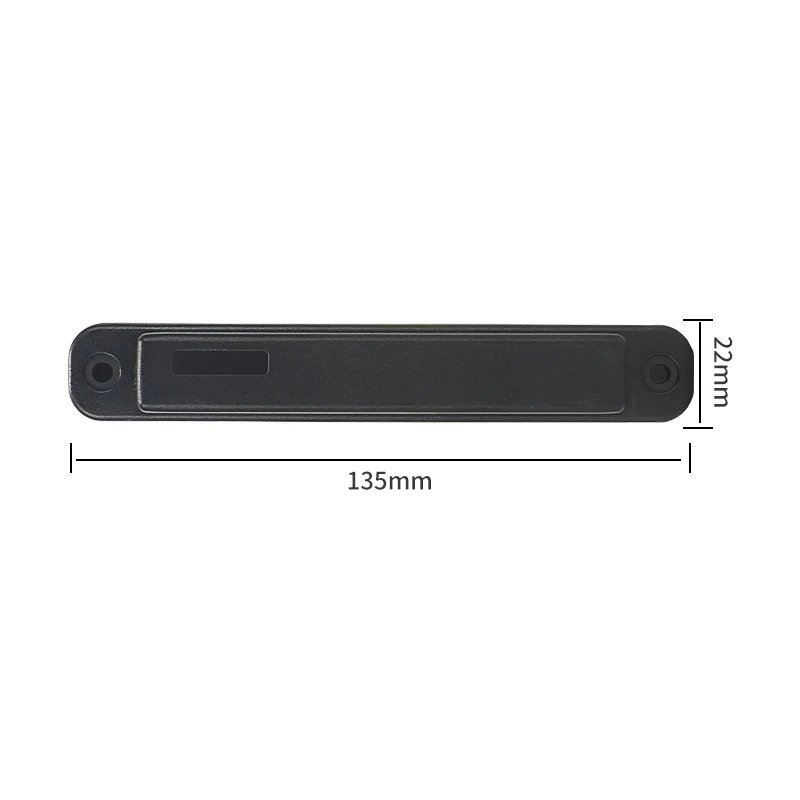
Why Metals Disrupt RFID Signals
Metals can interfere with RFID signals by reflecting, absorbing, or scattering them, which reduces accuracy and reliability. This issue is prevalent in environments with heavy metal use, like industrial settings or warehouses.
Common Scenarios with Metal Interference
Common interference scenarios include manufacturing plants with machinery and logistics operations with metal shelves. Such interference can result in lost or misidentified assets.
Key Features
Anti-metal UHF RFID tags use advanced materials and designs to reduce signal absorption and enhance performance near metal. Features include specialized materials for shielding and improved antenna designs for better accuracy.
How Anti-Metal Tags Overcome Interference
These UHF RFID tags employ materials and designs that minimize metal interference. Reflective layers and specialized antennas enhance signal strength and reliability in metal-rich environments.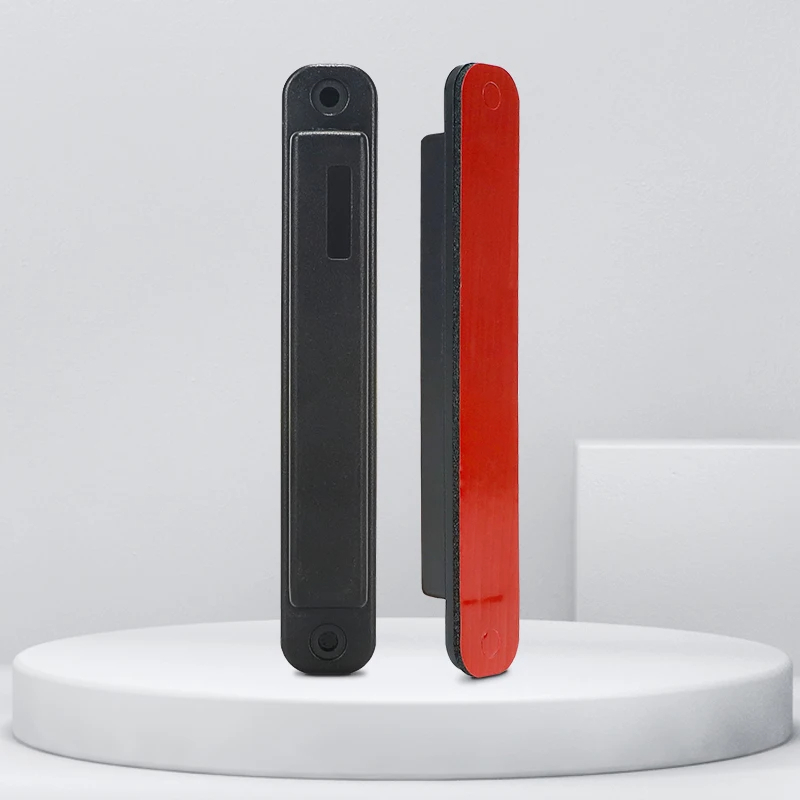
Industrial Asset Tracking
Used in industrial settings to track equipment and machinery, ensuring accurate tracking despite metal structures.
Retail and Logistics
Improves inventory management by providing reliable tracking through metal shelves and storage units.
Healthcare and Pharmaceuticals
Tracks medical equipment, enhancing availability and operational efficiency.
Enhanced Accuracy and Reliability
Provides consistent tracking performance despite metal interference.
Increased Durability and Longevity
Designed to withstand harsh conditions, reducing the need for frequent replacements.
Cost-Effectiveness in the Long Run
Higher initial costs are offset by durability and reduced errors, leading to long-term savings.
Key Considerations
Assess the environment, type of metal, tracking requirements, read range, and tag compatibility.
Comparing Different Tags
Evaluate features, performance, and cost to find the best value.
Anti-metal UHF RFID tags provide robust solutions for asset tracking in metal-rich environments. Their specialized design and materials offer reliable and accurate tracking, making them a valuable investment for various industries.
Newest trends and common knowledge in RFID laundry tags.
RFID tag revolutionizes inventory management by enabling rapid, accurate item identification, real-time data updates, and reduced manual intervention.
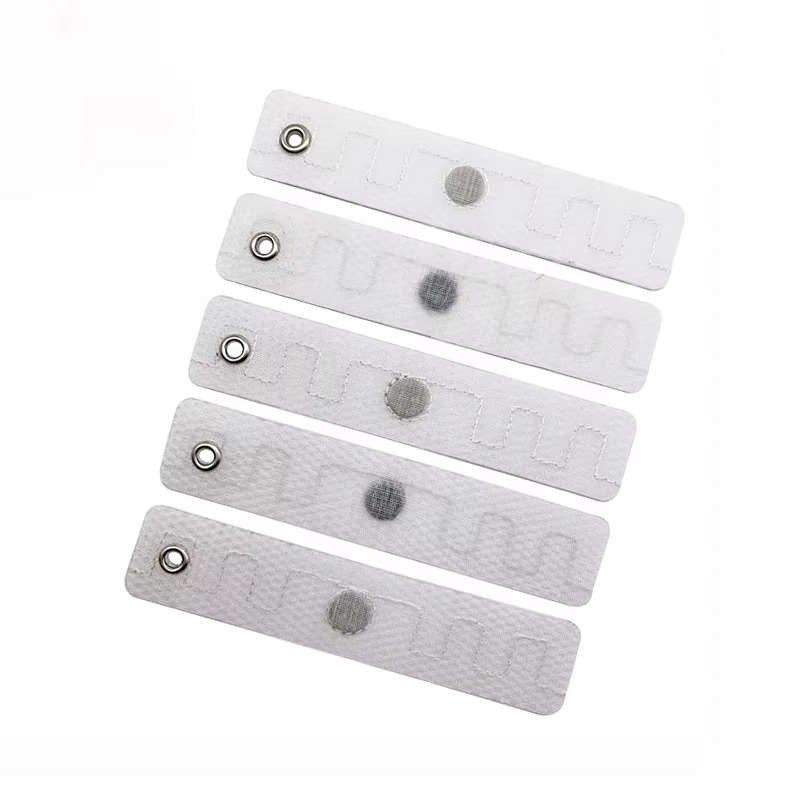
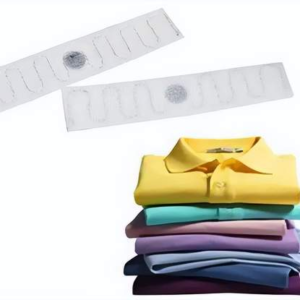
Textile UHF RFID Laundry Tag has gained significant popularity in various markets due to its big benefits and compatibility with modern asset management systems.

Near Field Communication (NFC) technology has become a cornerstone in many industries, enabling quick and easy data transmission across various devices.
Didn’t find what you want? Ask our manager for help!