

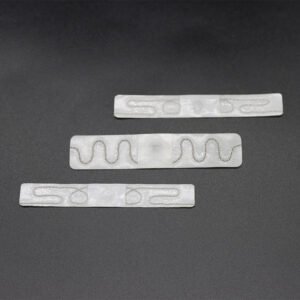
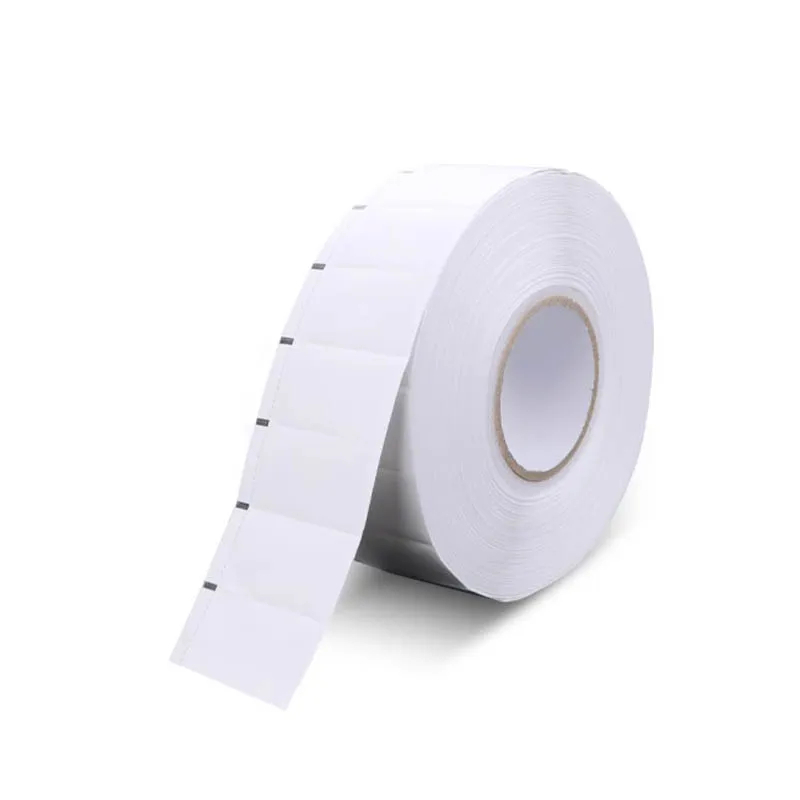
How RFID Wash Care Labels are Transforming the Clothing Industry?
Radio Frequency Identification (RFID) technology has revolutionized numerous industries, from logistics and healthcare to manufacturing and retail.
Linen management is a core operational function in the hotel industry. From luxury hotels to economy chains, items such as bed sheets, duvet covers, towels, bathrobes, and staff uniforms are essential assets that circulate continuously through collection, handover, washing, drying, ironing, sorting, storage, and redistribution.
In medium-to-large hotels, tens of thousands of linen items are managed simultaneously. Traditional linen management methods—largely dependent on manual counting and paper-based records—are no longer adequate to meet modern requirements for accuracy, traceability, hygiene compliance, and cost control.
Today, UHF RFID-based hotel linen laundry management systems are widely adopted across global hotel groups, centralized commercial laundries, and hospitality service providers, and are considered a mature and proven solution.
Before RFID adoption, hotels and laundries typically face the following issues:
Manual documentation is time-consuming
Records are fragmented and difficult to audit
High dependency on staff experience
Washed quantities often do not match collected quantities
Difficult to verify responsibility between hotel and laundry
Frequent commercial disputes and reconciliation delays
No real-time monitoring of washing stages
Missing or skipped processes are hard to identify
Limited accountability
Washing cycles are not accurately recorded
Overused linens remain in circulation
Hygiene standards and guest experience may be compromised
These challenges result in higher operational costs, asset loss, inefficient labor use, and inconsistent service quality.
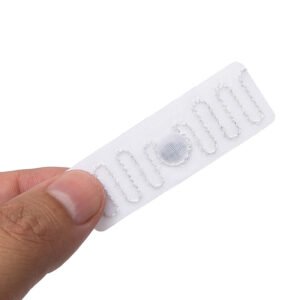
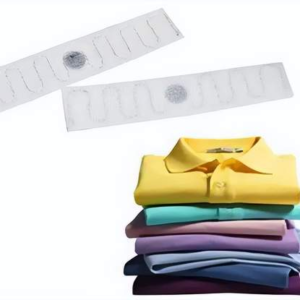
An RFID hotel linen management system is built on UHF RFID technology, using washable RFID laundry tags that are sewn or heat-sealed into each linen item.
Each RFID tag is assigned a unique digital identity, which is bound in the software system to the linen’s attributes. RFID readers automatically collect tag data at key process points, enabling hands-free, bulk identification and real-time data capture throughout the linen lifecycle.

Bulk reading without line-of-sight
No manual scanning required
High-speed inventory and handover
Full traceability across hotel–laundry workflows
Accurate lifecycle and cost analysis
RFID laundry Labels are attached to linens or uniforms
A UHF RFID encoder writes a unique ID to each label
Linen information is registered in the backend system, including:
Linen type (sheet, towel, duvet cover, uniform, etc.)
Hotel, department, or floor assignment
Date of first use
This creates a digital asset profile for every linen item.
Outbound (Hotel to Laundry):
Collected linens pass through an RFID reading tunnel or gate
All tag IDs are read simultaneously
The system records the status as “sent to laundry”
Inbound (Laundry to Hotel):
Clean linens pass through the RFID reader again
Returned IDs are automatically compared with outbound records
Missing or extra items are immediately identified
This process eliminates manual counting errors and reduces disputes between hotels and laundry providers.
Within the hotel:
RFID handheld readers enable fast inventory checks
Linens can be counted by location, department, or category
Linen status and movement history can be queried instantly
Using data analytics, the system provides:
Washing cycle counts per linen item
Usage frequency and lifespan trends
Replacement and retirement recommendations
When a linen item approaches its predefined washing limit, the system automatically generates alerts, helping hotels maintain hygiene standards and brand consistency.
A standard RFID hotel linen laundry management system includes:
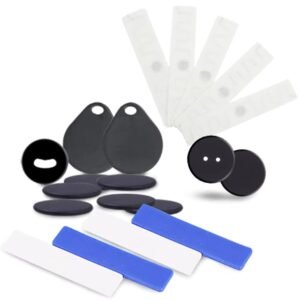
UHF RFID Laundry Tags
Resistant to heat, pressure, water, and chemicals
Fixed RFID Readers / Tunnel Readers
UHF RFID Handheld Terminals
Backend Software Platform & Database
Reporting, analytics, and system integration
These systems are widely deployed in hotel groups, commercial laundries, healthcare linen services, airline uniform management, and industrial textile rental operations.
Implementing RFID linen management delivers measurable benefits:
Reduced labor and operational costs
Lower linen loss and theft rates
Improved inventory accuracy
Standardized and auditable workflows
Enhanced guest experience and hygiene control
Support for multi-hotel and multi-laundry centralized management
Q1: How many washing cycles can RFID laundry tags withstand?
High-quality UHF RFID laundry tags typically withstand 200–300+ industrial wash cycles, depending on washing temperature and chemicals.
Q2: Will RFID disrupt existing laundry processes?
No. RFID systems integrate seamlessly into existing workflows without changing washing or handling procedures.
Q3: Is RFID suitable for small or mid-sized hotels?
Yes. RFID systems are scalable and especially valuable for chain hotels and outsourced laundry operations.
Q4: Can RFID data integrate with PMS or ERP systems?
Yes. Most RFID platforms provide APIs or SDKs for integration with PMS, ERP, and laundry management software.
RFID hotel linen laundry management systems have moved beyond pilot projects into large-scale, commercial deployment worldwide. For hotels and laundry service providers seeking cost control, operational transparency, and standardized asset management, RFID represents a practical, measurable, and future-proof solution.
Newest trends and common knowledge in RFID laundry tags.
Radio Frequency Identification (RFID) technology has revolutionized numerous industries, from logistics and healthcare to manufacturing and retail.
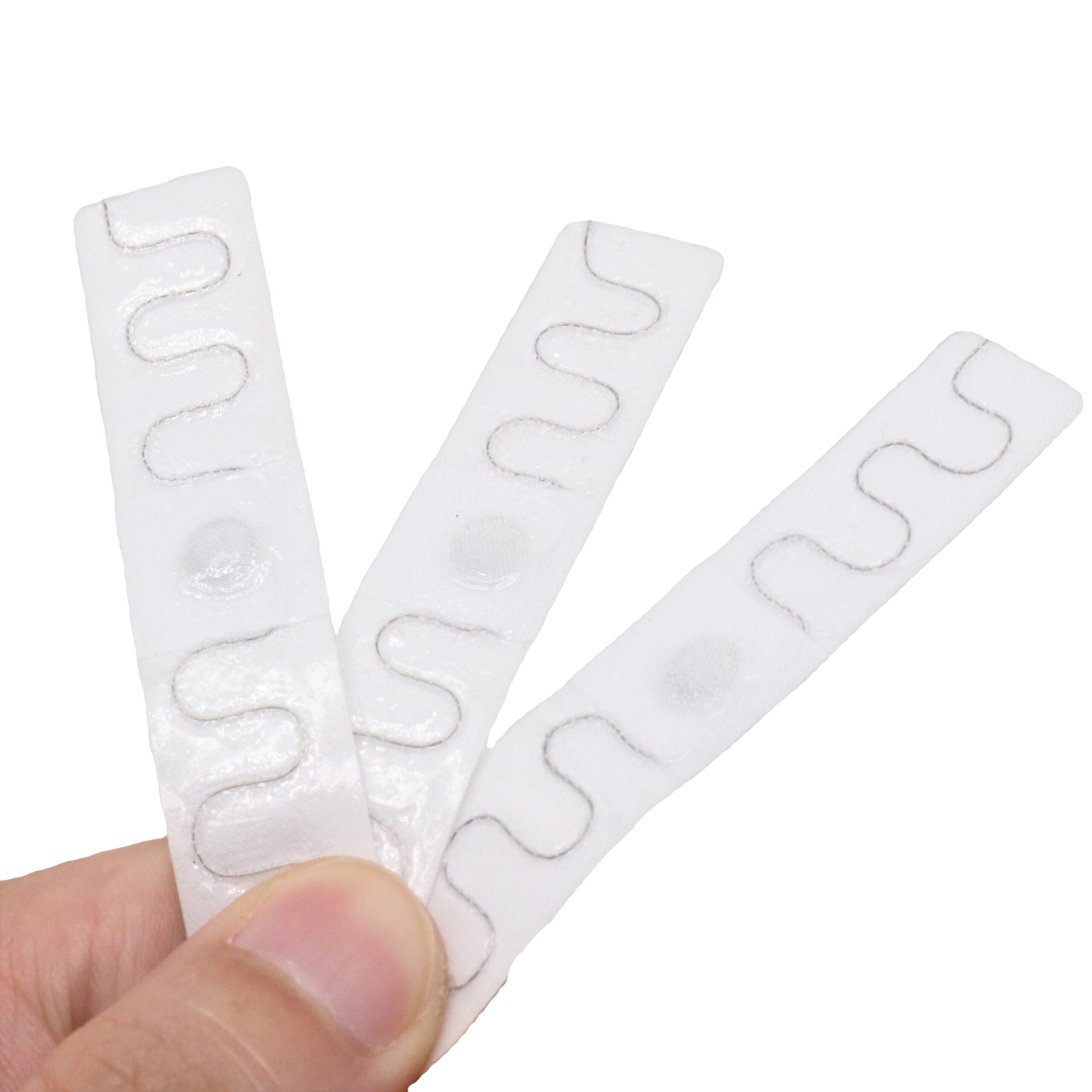
RFID laundry tags offer durable, high-temperature resistance for efficient tracking of uniforms and linens, enhancing visibility and reducing costs in various industries.
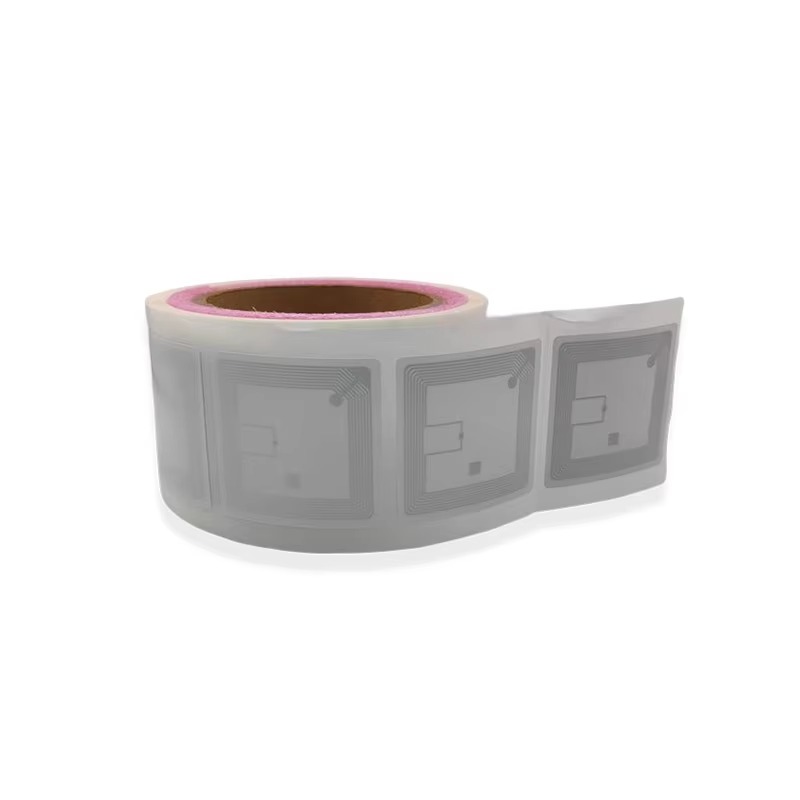
The I CODE SLIX RFID Library Book Sticker is a cutting-edge tool designed to streamline the management of library books and files.
Didn’t find what you want? Ask our manager for help!