

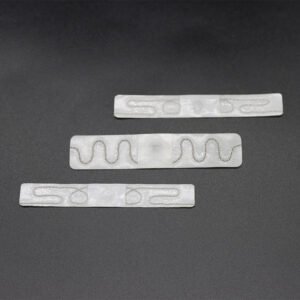
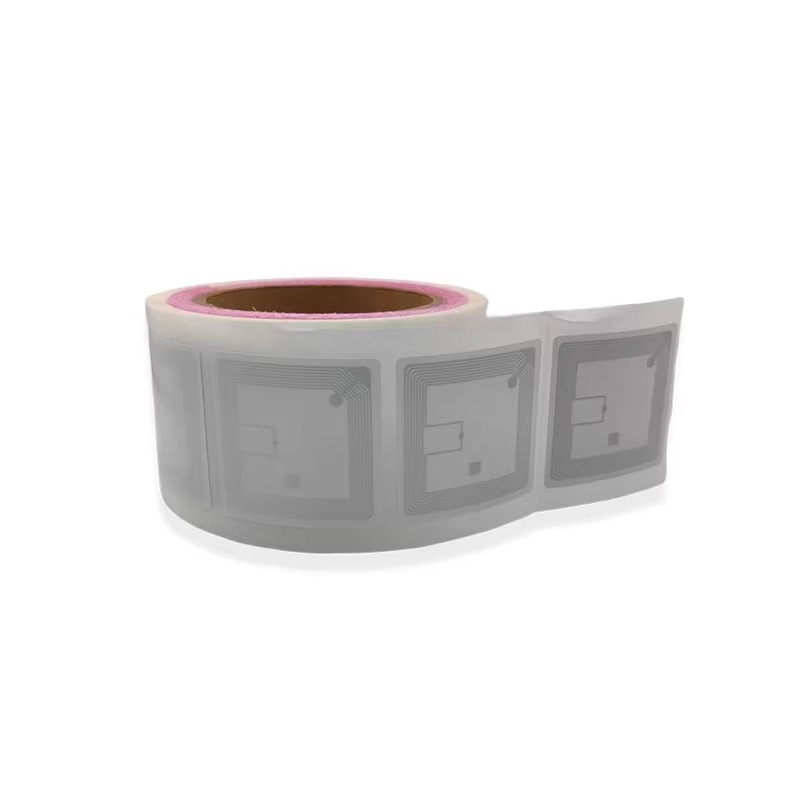
Comprehensive Guide to NXP ICODE SLIX RFID Inlays: Revolutionizing Tagging Solutions
Discover the NXP ICODE SLIX RFID inlay: efficient, versatile, and engineered for secure product tracking and authentication across various industries.
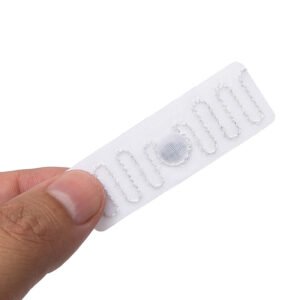
Managing textiles at scale—whether linens, uniforms, or workwear—demands more than basic identification. It requires durability, accuracy, and automation that can survive real industrial conditions. Textile RFID laundry tags are engineered specifically for these environments, providing consistent identification and traceability throughout the entire textile lifecycle.
Designed from the ground up for industrial use, these RFID tags maintain stable performance through repeated washing, drying, ironing, and chemical exposure. This makes them a dependable foundation for modern textile tracking systems.
Textile RFID laundry tags are developed to operate reliably in demanding laundry workflows. They are tested to withstand:
Hundreds of industrial wash cycles
High drying and ironing temperatures
Mechanical stress from extraction and pressing
Exposure to detergents, disinfectants, and chemicals
Once integrated into a garment or linen item, the tag remains readable throughout its usable life, supporting accurate tracking without disrupting daily operations.

Each textile RFID tag carries a unique identifier, allowing every item to be individually tracked. At the same time, UHF RFID technology enables bulk reading—dozens or even hundreds of items can be scanned simultaneously without line-of-sight.
This capability significantly reduces manual handling and counting time, especially in high-volume environments such as commercial laundries, hospitals, and hotel linen rooms. Inventory checks that once took hours can be completed in minutes.
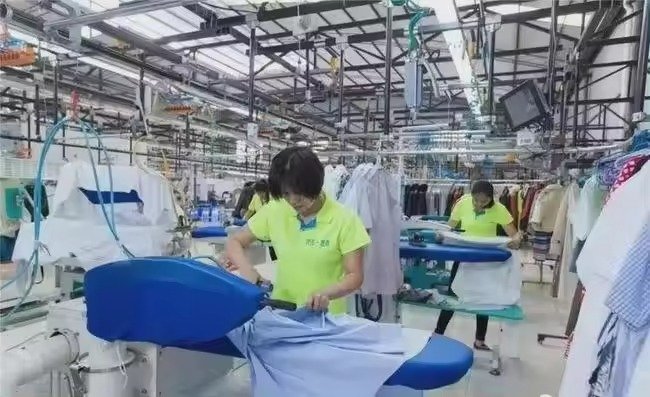
RFID laundry tags are designed to integrate naturally into textiles without affecting comfort or appearance. Common installation options include:
Sewing into seams or hems
Heat-sealing directly onto fabric surfaces
Encapsulation inside small fabric pouches
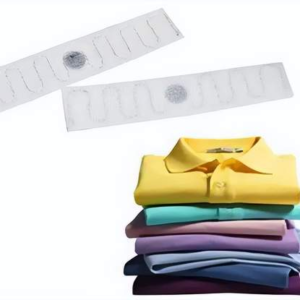
Once installed, the tags are virtually unnoticeable to the wearer, making them suitable for uniforms, patient garments, towels, bedding, and hospitality linens.
Textile RFID tags are not limited to a single use case. They support a wide range of applications where textiles circulate, rotate, and require accountability.
Hotel linen management – sheets, towels, bathrobes
Hospital and healthcare textiles – scrubs, gowns, bedding
Restaurant and catering – tablecloths, napkins
Gyms and fitness centers – towels and uniforms
Spas and wellness centers – robes and treatment linens
Industrial laundries – client-owned textile tracking
Uniform and workwear programs – issue, return, and lifecycle tracking
Sports teams and clubs – training and match apparel
Across these sectors, RFID improves visibility, reduces losses, and supports data-driven decision-making.
Beyond basic identification, textile RFID tags support advanced operational requirements:
Encryption features help protect sensitive inventory and ownership data, preventing unauthorized access during scanning.
Depending on the chip type, tags can store more than just an ID—such as batch numbers, ownership details, or care instructions.
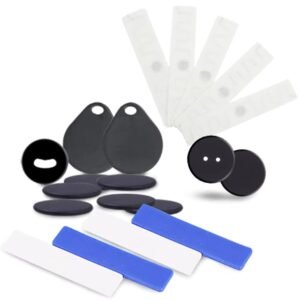
From ultra-thin fabric labels to button-style or embedded designs, RFID tags can be adapted to different textile structures and usage scenarios.
Textile RFID tags are compact, fabric-compatible identifiers containing a microchip and antenna. They transmit data wirelessly to RFID readers, enabling automatic identification without manual scanning.
Unlike barcodes, RFID tags do not require line-of-sight, remain readable after extensive washing, and allow bulk scanning. This results in higher accuracy, lower labor costs, and more reliable tracking.
Yes. RFID readers, tunnels, cabinets, and software platforms are designed to integrate with a wide range of laundry equipment and management systems.
Common methods include sewing, heat sealing, or enclosing the tag within a fabric label or pouch. The choice depends on textile type and operational requirements.
Yes. Industrial laundry RFID tags are built to withstand heat, moisture, chemicals, and physical stress throughout repeated processing cycles.
Hotels, hospitals, care homes, restaurants, gyms, spas, uniform providers, and industrial laundries all gain measurable efficiency and cost savings from RFID adoption.
RFID reduces manual counting, minimizes losses, improves inventory accuracy, and optimizes textile replacement cycles—delivering long-term cost control.
Yes. RFID systems provide real-time or near real-time visibility into textile location, status, and wash history, helping maintain quality standards.
The most efficient method is integrating RFID tags during textile manufacturing, ensuring consistency and reducing post-production labor.
Yes. Textile RFID tags are designed to be fabric-friendly and can be applied without damaging delicate garments, including patient clothing.
Textile RFID tags have become a cornerstone technology for modern textile management. Their durability, scalability, and compatibility with automated systems enable businesses to gain full control over textile assets—from daily operations to long-term planning.
By adopting RFID-based textile tracking, organizations can reduce losses, improve efficiency, enhance transparency, and deliver a higher standard of service across hospitality, healthcare, and industrial laundry environments.
Newest trends and common knowledge in RFID laundry tags.
Discover the NXP ICODE SLIX RFID inlay: efficient, versatile, and engineered for secure product tracking and authentication across various industries.
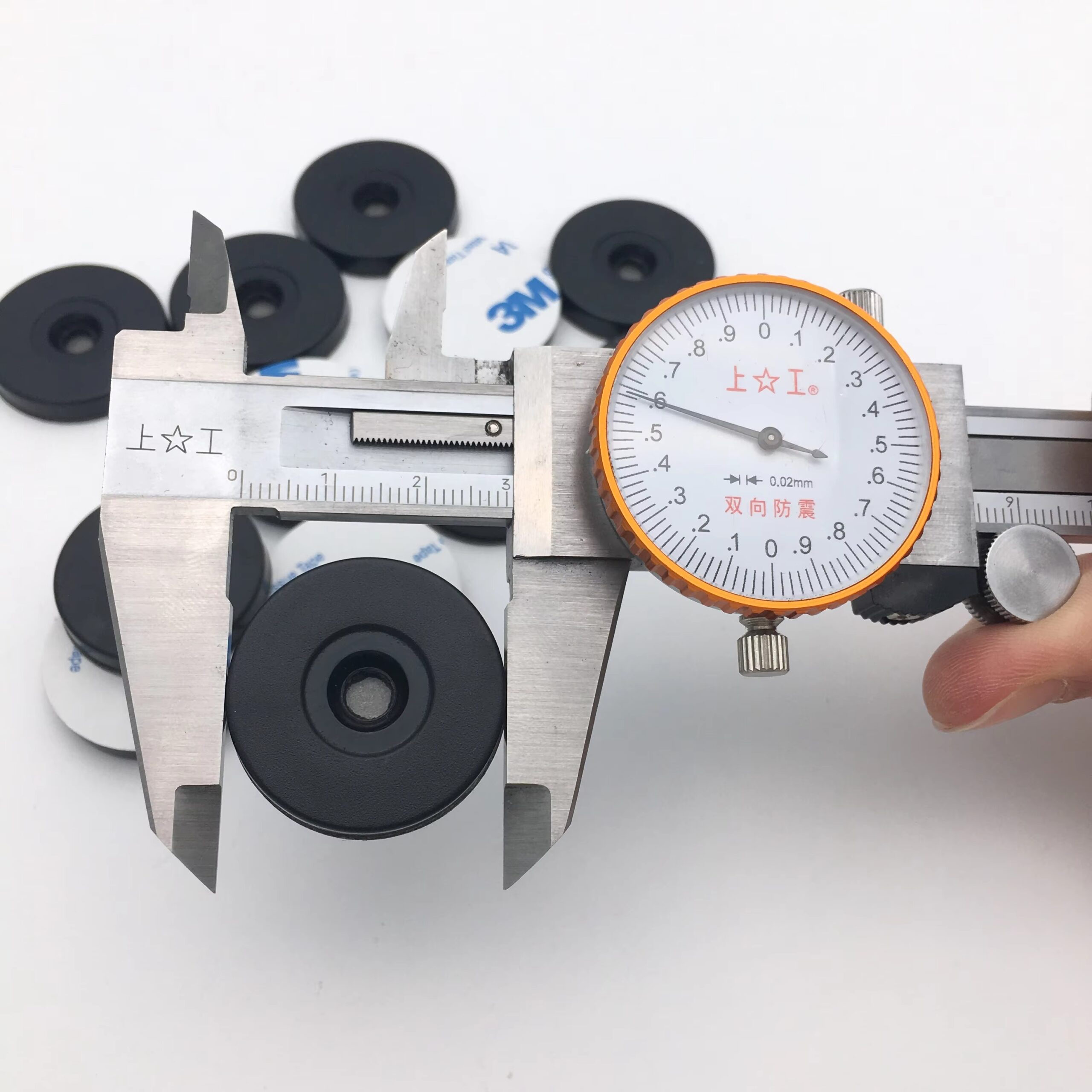
The NFC Patrol Tag is a small yet powerful tool, designed for industrial and outdoor environments where durability and reliability are paramount. This guide provides a comprehensive overview of the product, highlighting its features, applications, and key benefits.

RFID laundry tags leverage RFID technology to track and monitor garments in the laundry process, enhancing efficiency and accuracy in laundry services.
Didn’t find what you want? Ask our manager for help!