

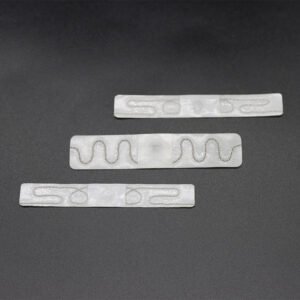
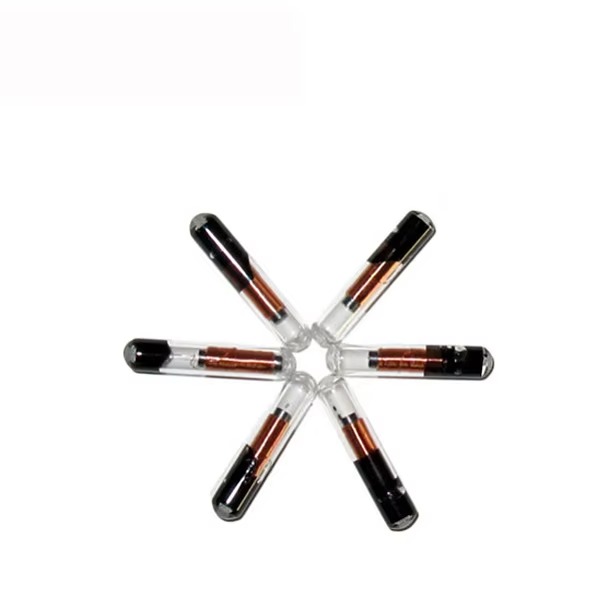
Glass Tube RFID Tags: Revolutionizing Identification Solutions
Glass Tube RFID Tags are at the forefront of this revolution, offering a reliable and versatile method for tracking and identifying assets.
RFID tag is a technology that uses radio waves for non-contact two-way data communication to identify targets and obtain relevant data.
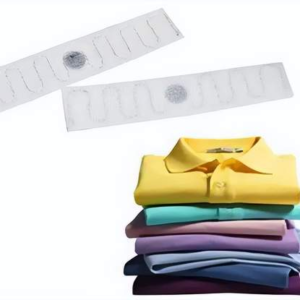
Shoes and apparel and shopping mall retail are currently the most widely used areas for RFID tags. RFID technology has greatly improved the supply chain management level of clothing companies with its high efficiency, accuracy and real-time characteristics.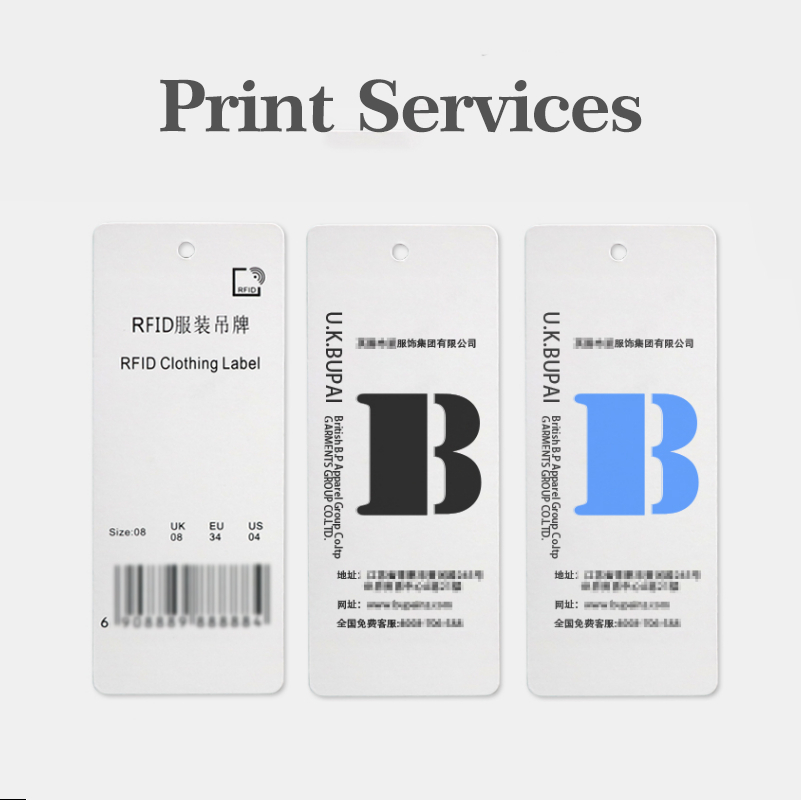
Value 1: Accelerate supply turnover efficiency
The supply chain of big brands of shoes and apparel and shopping mall retail is spread all over the world, and they are fast-moving consumer goods with high consumption. The use of RFID tags can help companies realize the visualization of the supply chain. Companies can grasp the inventory situation in real time, including product quantity, location, status, etc., effectively avoiding inventory backlogs and out-of-stock phenomena, and improving inventory turnover.
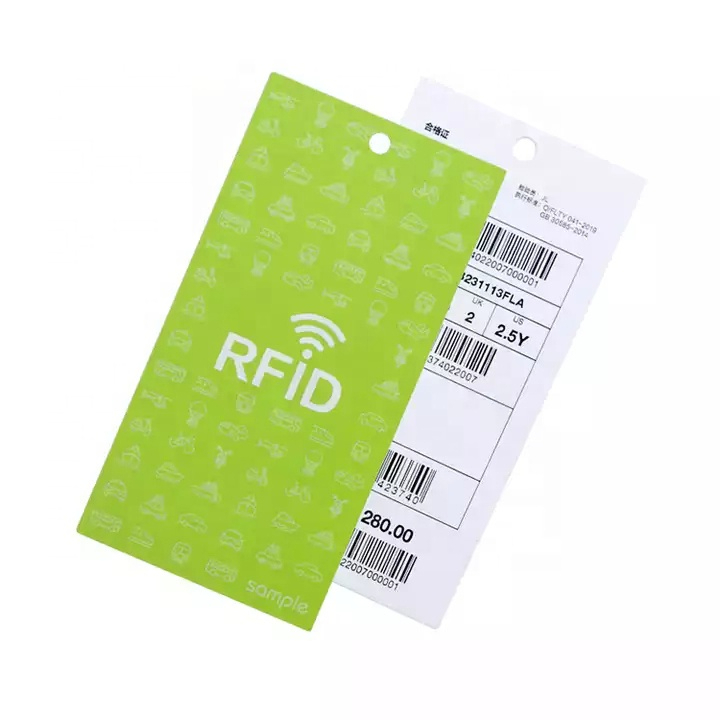
Value 2: Reduce labor costs
RFID technology reduces manual operations, reduces human errors, improves work efficiency, and thus reduces the operating costs of enterprises. The high efficiency of RFID tags is mainly reflected in the warehousing and cashier links. After using RFID tags, consumers can achieve self-service checkout.
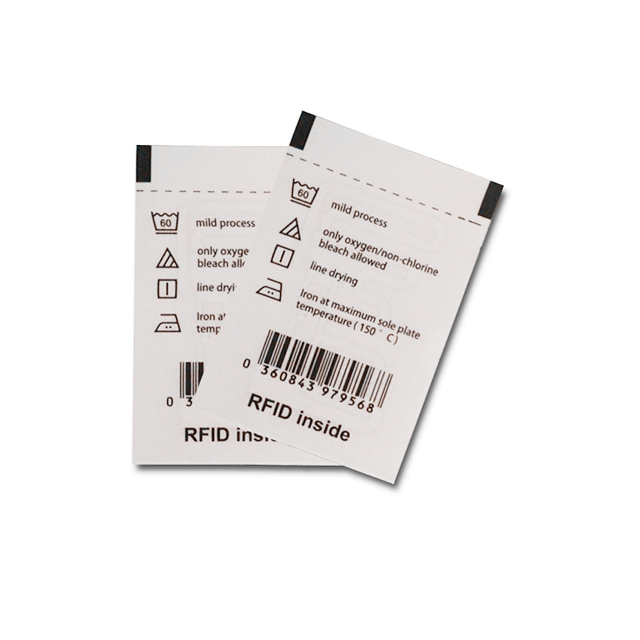
Value 3: Brand protection
Brand protection is a very practical demand in the field of footwear and clothing retail, especially in the domestic market, where e-commerce sales channels are prevalent. When returns or product recalls occur, RFID technology can quickly locate and track the products involved to ensure the smooth progress of returns and recalls. This helps companies respond to market changes in a timely manner, so the use of RFID tags can protect consumer rights and maintain brand image. Value 4: Improve sales performance and expand new business possibilities
Through RFID technology, companies can understand consumer purchasing habits and preferences, make decisions quickly, and allow manufacturers to achieve flexible production. Through clothing networking, they can recommend products that consumers like or are more compatible, further stimulating consumer demand.
The clothing and retail market is currently the largest application market for RFID electronic tags. At present, the number of RFID tags used by brands such as Walmart, ZARA, Uniqlo, Decathlon, and Nike in the industry is at the billion level each year.
The application of RFID technology in the clothing industry is gradually becoming a trend. With the continuous development of technology and the continuous reduction of costs, the application prospects of RFID technology in the clothing industry will be broader.
Newest trends and common knowledge in RFID laundry tags.
Glass Tube RFID Tags are at the forefront of this revolution, offering a reliable and versatile method for tracking and identifying assets.
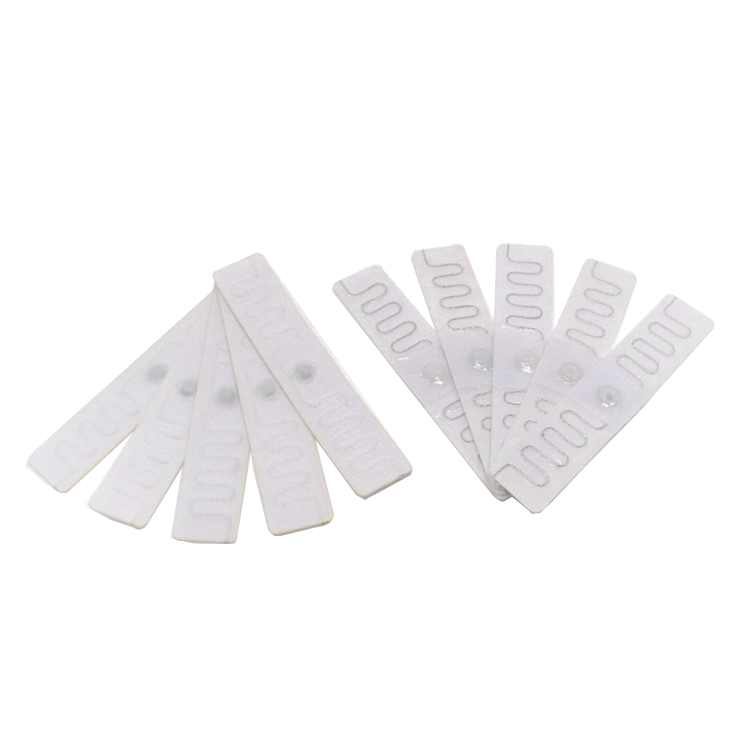
RFID laundry tags enhance hygiene and infection control in the medical industry by improving the management of medical textiles, essential for healthcare facilities.
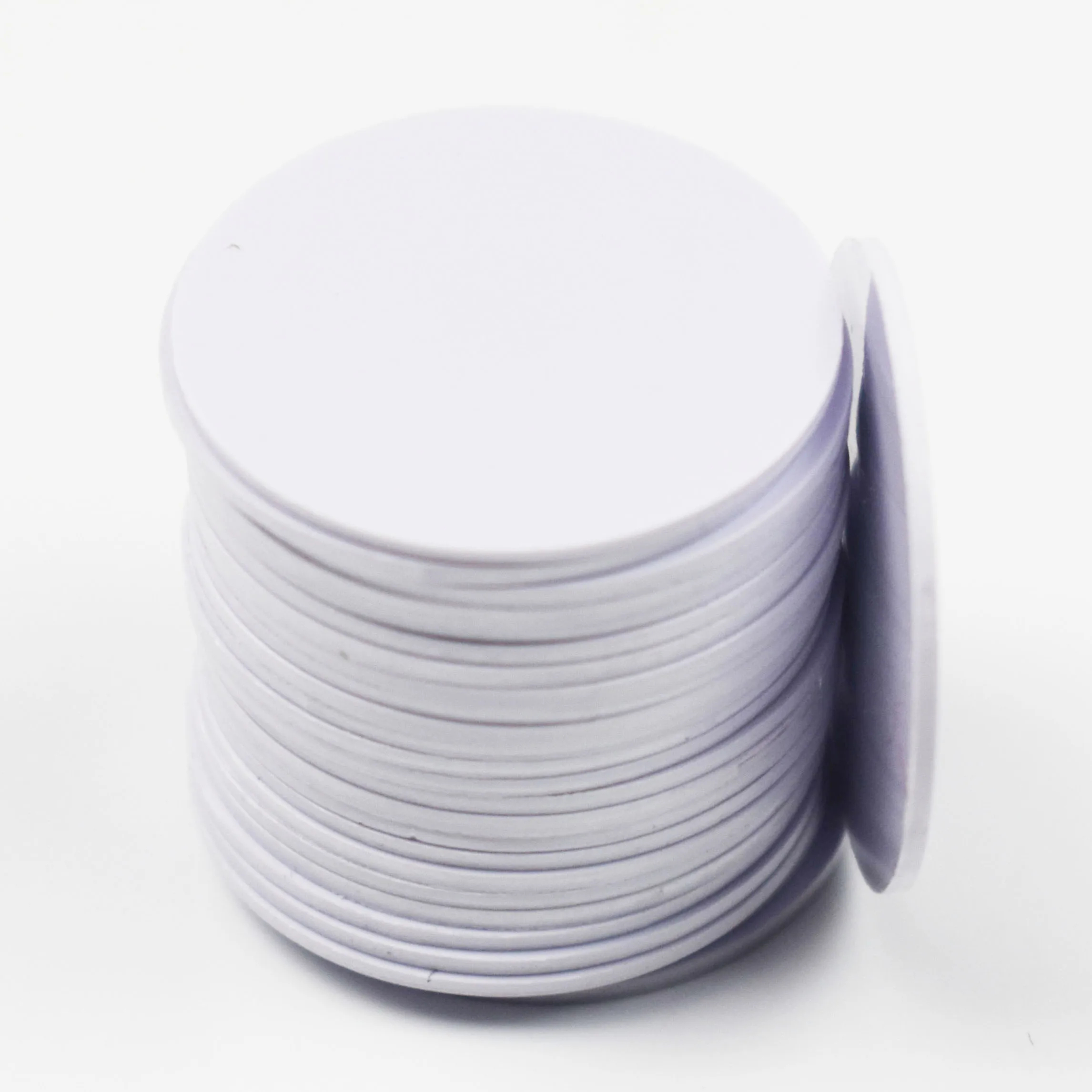
A durable, waterproof NFC coin tag with an NTAG213 chip, ideal for secure product identification and object monitoring, usable on metal surfaces.
Didn’t find what you want? Ask our manager for help!